

Evictions Explained: Process, Rights, and Prevention
Evictions are one of the most serious situations in renting—for both tenants and landlords. Understanding how the process works, what rights each party has, and how evictions can be prevented is essential for maintaining a stable rental experience.
Q: What are tenant rights?
A: Tenant rights are legal protections that ensure renters have a safe, fair, and livable housing experience. These rights vary by location, but they generally cover things like safety, privacy, and protection from unfair treatment.
Q: Do tenants have the right to a safe and habitable home?
A: Yes. One of the most important rights is the right to a habitable living space. This means the property should be:
- Structurally sound
- Free from major hazards
- Equipped with working plumbing, heating, and electrical systems
Landlords are typically required to maintain these basic living conditions.
Q: Do landlords need to give notice before entering a rental?
A: In most cases, yes. Landlords must provide reasonable notice before entering a rental unit, except in emergencies.
This protects a tenant’s right to privacy while allowing landlords to perform necessary inspections or repairs.
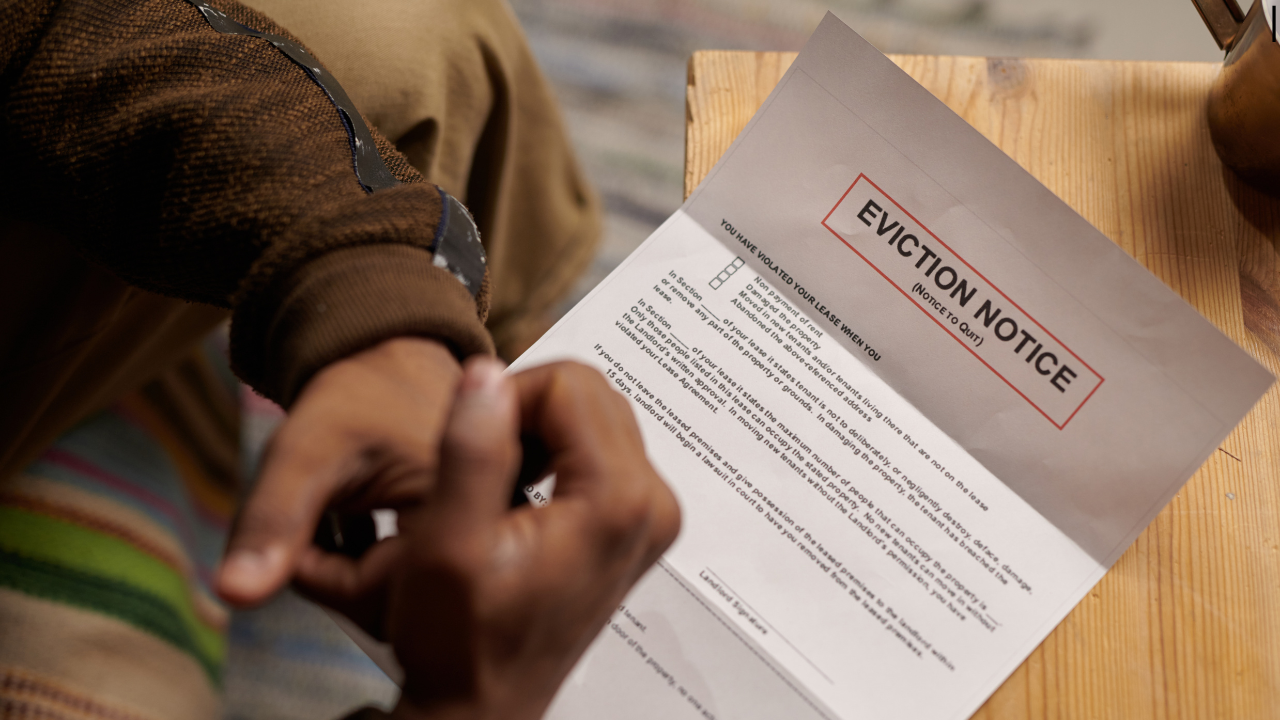
Q: Are tenants protected from unfair eviction?
A: Yes. Landlords must follow legal procedures when ending a lease or evicting a tenant. This usually includes:
- Providing proper notice
- Having a valid reason (depending on local laws)
- Following legal eviction processes
Tenants cannot be removed without proper legal steps.
Q: What rights do tenants have regarding security deposits?
A: Tenants have the right to:
- Know how their deposit is being used
- Receive it back (minus valid deductions) after moving out
- Get an itemized list of any deductions
Security deposit rules are typically regulated by local laws.
Q: Can landlords raise rent at any time?
A: This depends on the lease and local regulations. Generally:
- Rent cannot be increased during a fixed-term lease
- Proper notice is required before any increase
Tenants should review their lease for specific terms.
Q: Are tenants protected from discrimination?
A: Yes. Tenants have the right to fair housing, which means they cannot be discriminated against based on protected characteristics (as defined by local laws).
Fair treatment is a fundamental tenant right.
Q: What should tenants do if their rights are violated?
A: If you believe your rights are being violated:
- Review your lease agreement
- Document the issue
- Communicate with your landlord
- Seek guidance from local housing authorities or legal resources
Taking action early can help resolve issues more effectively.
Q: Do tenant rights vary by location?
A: Yes. Laws and regulations can differ depending on the state, city, or country. It’s important to understand the specific tenant laws that apply in your area.
Final Thoughts
Knowing your tenant rights is key to protecting yourself and ensuring a positive rental experience. By understanding what you’re entitled to—and what your landlord is responsible for—you can navigate renting with confidence.
Being informed is your best tool when it comes to renting smart and safely.