


When renting a home, utilities can be one of the most confusing parts of the budget. Some rentals include them, while others require tenants to set them up and pay separately. Understanding how utilities work helps you avoid unexpected costs and plan your monthly expenses better.
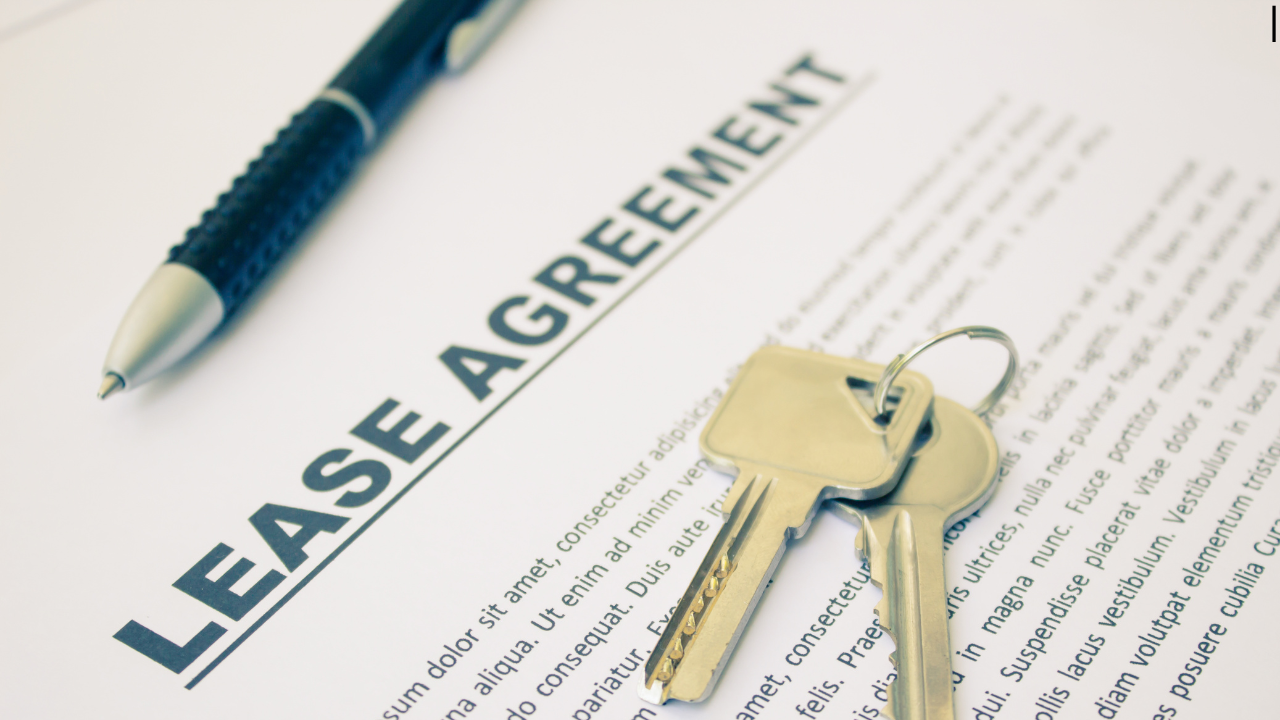
Signing a lease is a major step in the rental process, but many renters don’t fully understand the terms included in the agreement. Knowing what lease terms mean can help you avoid confusion, protect your rights, and make better rental decisions.

Safety should always be a top priority when renting a home. Whether you’re a tenant looking for peace of mind or a landlord protecting your property, having the right safety features in place is essential.

When searching for a rental, it’s easy to focus on the big things—price, location, and size. But many renters overlook smaller details that can lead to inconvenience, unexpected costs, or frustration later on.

Choosing the right neighborhood is a key part of the rental experience—especially for young professionals balancing work, social life, and personal growth. The ideal location should support your career, lifestyle, and daily convenience.

Finding the right rental for your family goes beyond the home itself—the neighborhood plays a huge role in your day-to-day life. From safety and schools to convenience and community, choosing the right area can make a big difference in your family’s comfort and happiness.

A great rental experience isn’t just about the property—it’s also about the landlord. A good landlord can make your life easier, while a difficult one can turn even a great home into a stressful situation.

When searching for a rental, it’s easy to focus on the property itself—but location plays an equally important role. Where you live can impact your daily routine, expenses, lifestyle, and overall satisfaction.

In a competitive rental market, finding a great property is only half the battle—you also need to stand out as the ideal tenant. Landlords often receive multiple applications, so presenting yourself as reliable, responsible, and prepared can make all the difference.

A rental walkthrough is your chance to inspect a property before signing a lease. It’s more than just seeing if the place looks good—it’s about identifying potential issues, confirming details, and making sure the home meets your expectations.

When budgeting for a rental, most people focus on the monthly rent—but that’s not the full picture. There are several hidden costs that can catch renters off guard if they’re not prepared.

Sustainable living isn’t just for homeowners—renters and landlords can both take steps to make rental properties more eco-friendly. Small changes can reduce environmental impact, lower utility costs, and create a healthier living space.

Finding a rental that allows pets can be a challenge—but with the right approach, it’s possible to create a positive experience for both tenants and landlords. Pet-friendly rentals are in high demand, and when managed properly, they can benefit everyone involved.

Remote work has reshaped how people live—and that includes what renters look for in a home. With more flexibility to work from anywhere, tenants are prioritizing different features, locations, and amenities than ever before.
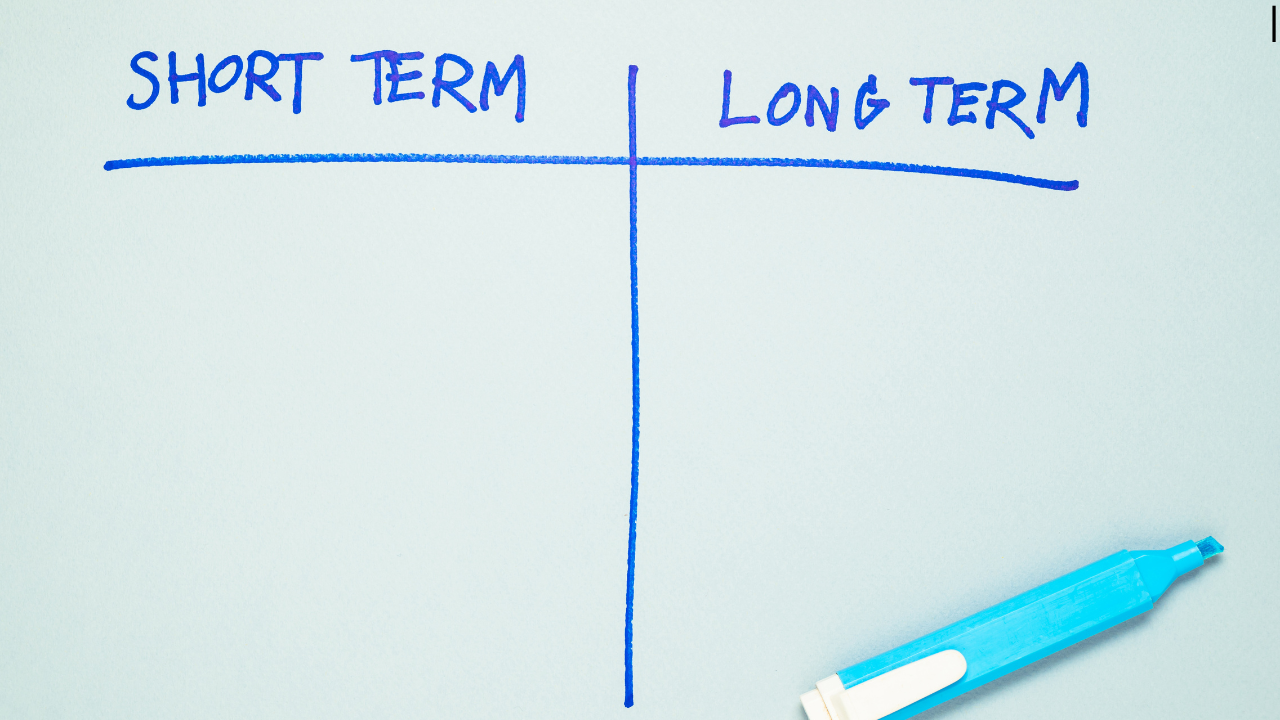
When searching for a place to live, one of the biggest decisions renters face is choosing between a short-term or long-term rental. Each option offers different benefits and trade-offs depending on your lifestyle, budget, and future plans.
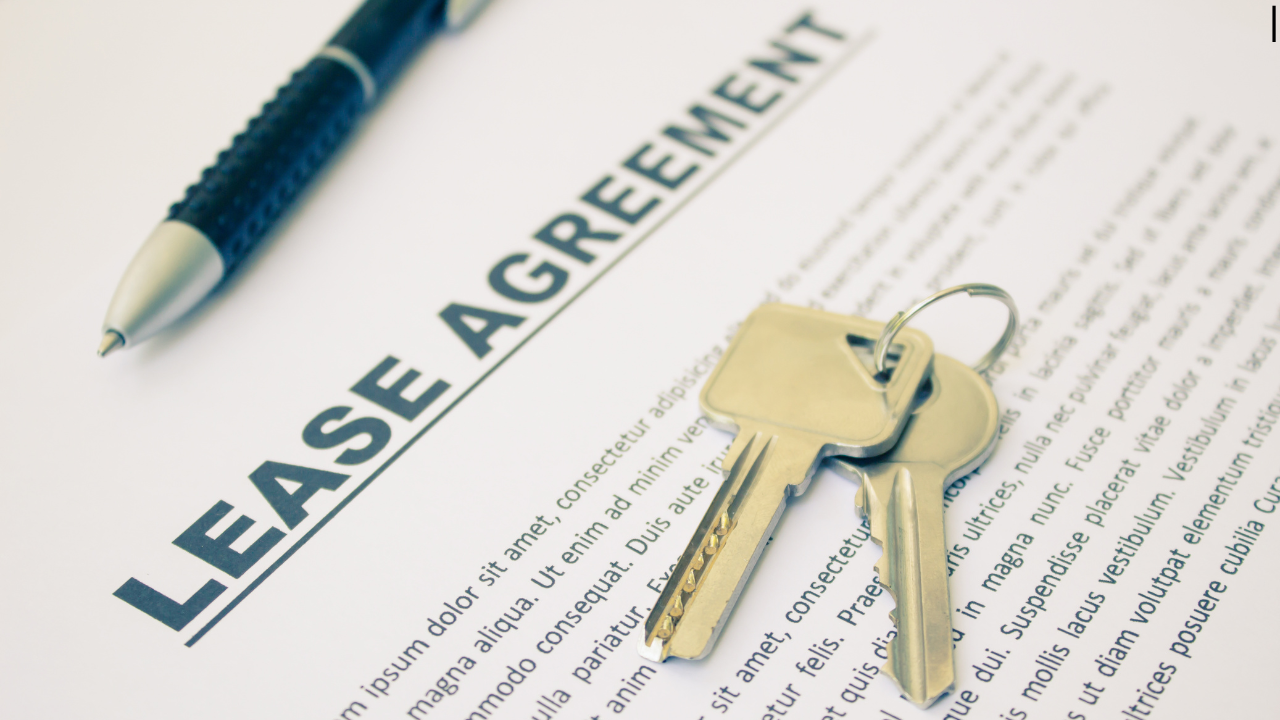
Life can be unpredictable—job changes, financial shifts, or personal situations may force you to move before your lease ends. But breaking a lease early can come with consequences if you’re not prepared.

As your lease comes to an end, you’ll face an important decision: renew your lease or move out. Both options have pros and cons, and the right choice depends on your lifestyle, finances, and future plans.
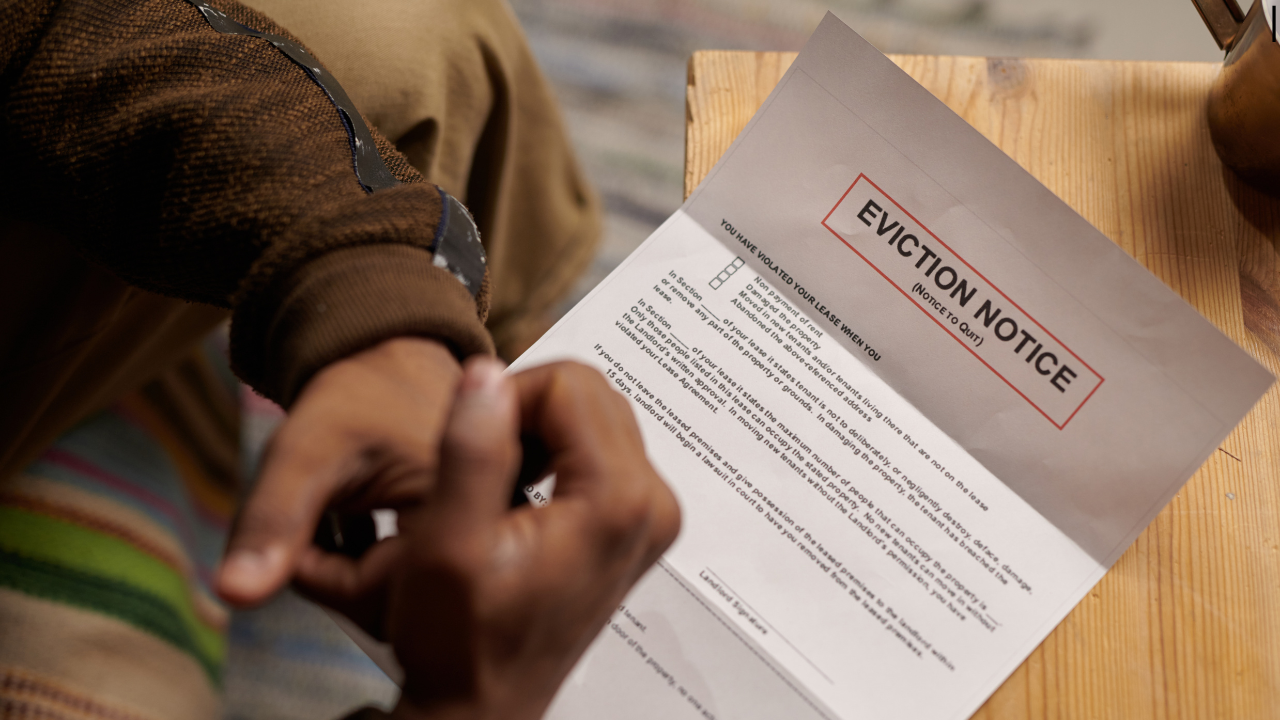
Evictions are one of the most serious situations in renting—for both tenants and landlords. Understanding how the process works, what rights each party has, and how evictions can be prevented is essential for maintaining a stable rental experience.

Renting a home comes with responsibilities—but it also comes with important rights. Understanding your tenant rights can help you protect yourself, avoid disputes, and ensure a fair and safe living experience.

Signing a lease is one of the most important steps in renting a home—but many renters don’t fully understand what they’re agreeing to. A lease agreement is a legally binding contract, so knowing the details can help you avoid confusion, unexpected costs, and potential disputes.

Moving into a rental doesn’t mean you have to sacrifice comfort or personality. Even with lease restrictions, there are plenty of creative and renter-friendly ways to turn your space into a place that truly feels like home.