

How Much Rent Can You Really Afford?
One of the biggest questions renters face is simple: How much rent can I actually afford?
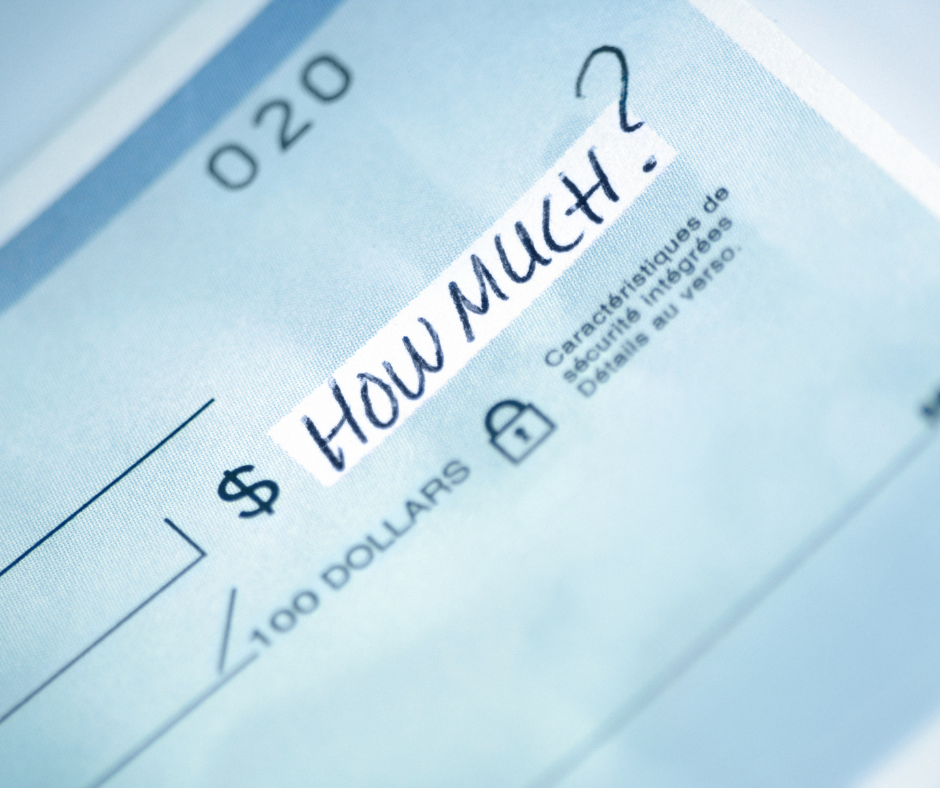
Choosing the right rental isn’t just about finding a place you love — it’s about making sure it fits comfortably within your financial reality. This guide answers the most common questions to help you make a smart, stress-free decision.
❓ What is the general rule for how much rent I should pay?
A common guideline is the 30% rule — meaning your monthly rent should not exceed 30% of your gross (before-tax) monthly income.
For example:
- If you earn $4,000 per month, 30% would be $1,200.
- That suggests a comfortable rent budget of around $1,200.
However, this is just a starting point — not a one-size-fits-all rule.
❓ Should I calculate rent based on gross income or take-home pay?
The 30% rule uses gross income, but budgeting based on your take-home pay is often more realistic.
After taxes, insurance, retirement contributions, and deductions, your available cash may be significantly lower. Reviewing your net income gives you a clearer picture of what you can comfortably afford.
❓ What other housing costs should I factor in?
Rent is only part of the equation. Consider:
- Security deposit
- Application fees
- Utilities (electricity, water, gas, trash)
- Internet and cable
- Parking fees
- Pet rent or deposits
- Renter’s insurance
- Moving expenses
These additional costs can add hundreds to your monthly budget.
❓ How do I know if I’m stretching my budget too far?
Warning signs you may be overextending:
- You’ll have little to no savings left after paying rent
- You can’t comfortably cover emergency expenses
- You’re relying heavily on credit cards
- You won’t be able to contribute to savings goals
If rent makes you financially stressed every month, it’s likely too high.
❓ How can I determine a comfortable rent range?
Start by reviewing:
- Your monthly income
- Fixed expenses (car payment, loans, insurance)
- Variable expenses (groceries, gas, dining)
- Savings goals
Then identify how much remains for housing without compromising stability. Ideally, you should still be able to:
- Build emergency savings
- Cover unexpected repairs
- Enjoy your lifestyle without financial strain
❓ Should I choose a cheaper rental to save money?
Sometimes choosing a slightly more affordable rental can:
- Increase financial flexibility
- Reduce stress
- Allow you to save for long-term goals
- Provide room for future rent increases
Lower rent doesn’t always mean sacrificing quality — it may mean smarter prioritization.
❓ What if I want a rental that costs more than 30% of my income?
In competitive markets, some renters pay more than 30%. If you choose to do so, ensure:
- You have stable, reliable income
- You maintain emergency savings
- Your other expenses are manageable
- You’re not sacrificing financial security
The key is sustainability — not just qualification.
❓ How do landlords determine if I qualify?
Many landlords require tenants to earn 2.5 to 3 times the monthly rent.
For example:
- If rent is $1,500, you may need to earn $3,750–$4,500 per month.
Understanding this standard helps you target properties within reach.
Final Question: What’s the Smartest Approach?
The smartest rental decision balances comfort and affordability. The goal isn’t to qualify for the highest rent possible — it’s to choose a home that supports your financial stability and peace of mind.
A rental should enhance your life, not strain it.
📩 Need help finding a rental that fits your budget? Contact us today to explore available options and find a home that aligns with both your lifestyle and your finances.