

HVAC Maintenance Tips for Rental Homes
Heating, ventilation, and air conditioning (HVAC) systems play a major role in keeping a rental home comfortable year-round. Proper maintenance not only improves performance but also helps prevent costly repairs and extends the life of the system.
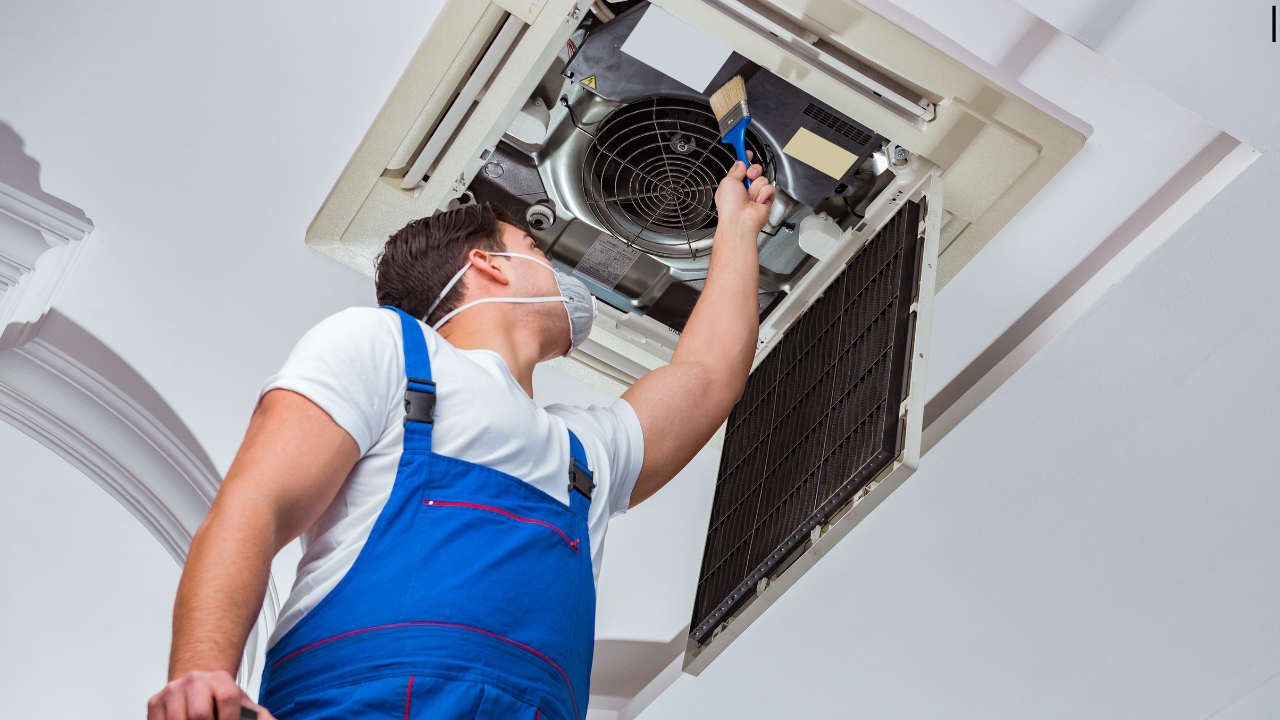
Q: Why is HVAC maintenance important in rental homes?
A: HVAC systems are one of the most used (and expensive) components in a property. Regular maintenance helps:
- Improve energy efficiency
- Reduce utility costs
- Prevent unexpected breakdowns
- Extend the lifespan of the system
- Maintain consistent indoor comfort
Neglecting maintenance can lead to higher costs and inconvenient repairs.
Q: How often should HVAC filters be changed?
A: Air filters should typically be replaced every 1–3 months, depending on usage, pets, and indoor air quality.
Clean filters:
- Improve airflow
- Reduce strain on the system
- Help maintain better indoor air quality
This is one of the simplest and most effective maintenance tasks.
Q: What are signs that an HVAC system needs attention?
A: Watch for these common warning signs:
- Weak airflow
- Unusual noises
- Inconsistent temperatures
- Higher energy bills
- Strange odors
If any of these occur, it’s best to report the issue or schedule a professional inspection.
Q: Should HVAC systems be professionally serviced?
A: Yes. It’s recommended to have HVAC systems professionally inspected and serviced at least once or twice a year, typically before summer and winter seasons.
Professional servicing can include:
- System cleaning
- Checking refrigerant levels
- Inspecting components
- Ensuring safe and efficient operation
Q: What maintenance can renters do themselves?
A: Renters can handle basic HVAC upkeep, such as:
- Replacing air filters
- Keeping vents clean and unobstructed
- Avoiding blocking airflow with furniture
- Monitoring thermostat settings
These simple steps help keep the system running efficiently.
Q: How can landlords protect their HVAC systems long-term?
A: Landlords can:
- Schedule regular maintenance plans
- Install programmable or smart thermostats
- Educate tenants on proper system use
- Replace older systems when needed
Preventative care can significantly reduce long-term repair costs.
Q: How does HVAC maintenance impact energy efficiency?
A: A well-maintained system uses less energy to heat or cool a home. Dirty filters or neglected components force the system to work harder, increasing energy consumption and utility bills.
Regular maintenance keeps the system running at optimal efficiency.
Q: Who is responsible for HVAC maintenance in a rental?
A: Responsibilities vary depending on the lease agreement:
- Landlords usually handle major repairs and professional servicing
- Tenants may be responsible for basic tasks like filter replacement and reporting issues
Clear communication helps ensure the system is properly maintained.
Final Thoughts
HVAC maintenance is essential for keeping a rental home comfortable, efficient, and cost-effective. By staying proactive and addressing small issues early, both landlords and tenants can avoid major repairs and enjoy a better living environment.
A little routine maintenance can go a long way in protecting one of the most important systems in any home.