

Lawn Care and Landscaping Tips for Rental Properties
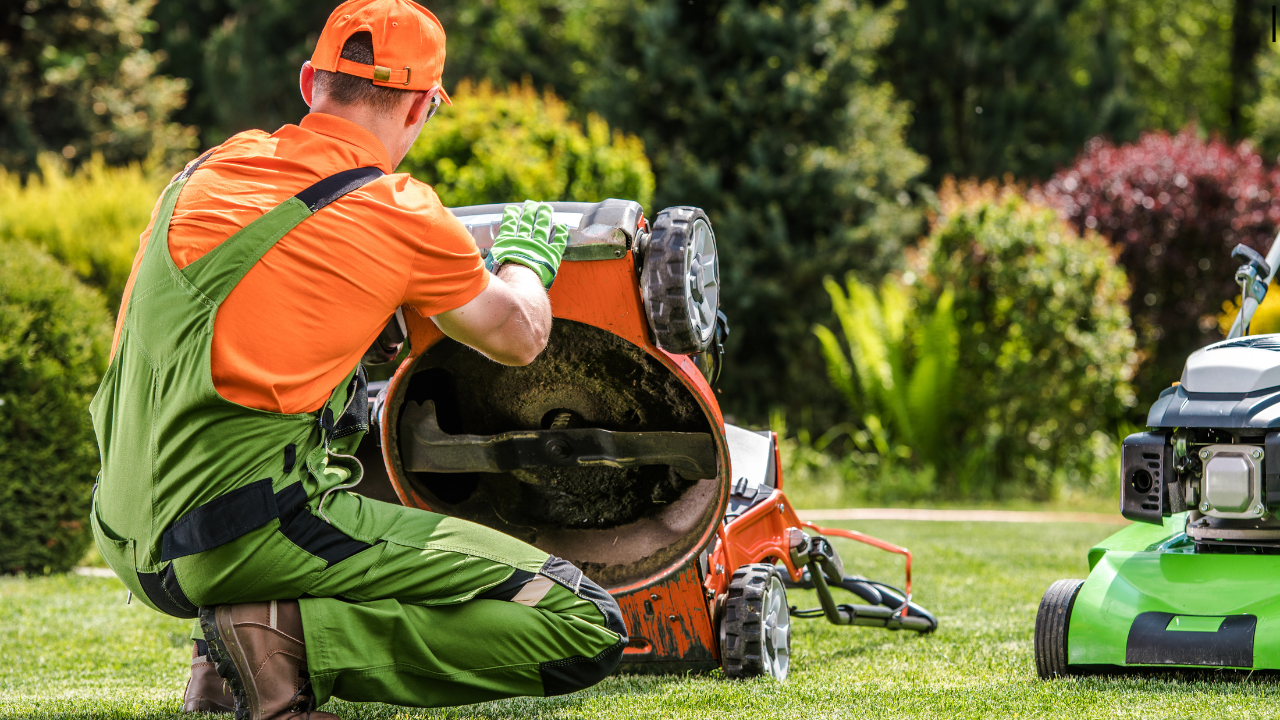
A well-maintained lawn and clean landscaping can make a big difference in a rental property’s appearance and overall value. Whether you’re a landlord aiming to attract quality tenants or a renter responsible for outdoor upkeep, simple lawn care habits can keep the property looking its best.
Q: Why is electrical maintenance important in rental properties?
A: Proper electrical maintenance helps:
- Prevent safety hazards like electrical fires
- Ensure reliable power throughout the home
- Extend the lifespan of electrical components
- Reduce the risk of costly repairs
Staying proactive can protect both the property and its occupants.
Q: What are common signs of electrical issues?
A: Watch for warning signs such as:
- Flickering or dimming lights
- Frequently tripped circuit breakers
- Burning smells near outlets or switches
- Warm or discolored outlets
- Buzzing sounds from electrical panels
If you notice any of these, it’s important to address them immediately.
Q: What basic electrical maintenance can tenants handle?
A: Tenants can safely manage simple tasks like:
- Replacing light bulbs
- Avoiding overloading outlets
- Using surge protectors for electronics
- Keeping outlets clean and unobstructed
- Reporting issues promptly
These habits help maintain safety and prevent damage.
Q: How can landlords maintain electrical systems?
A: Landlords should focus on regular inspections and professional maintenance, including:
- Checking electrical panels and wiring
- Ensuring outlets and switches are functioning properly
- Upgrading outdated systems if needed
- Scheduling inspections with licensed electricians
Preventative maintenance can reduce long-term costs and liability.
Q: Is it safe to overload power outlets or extension cords?
A: No. Overloading outlets or extension cords can cause overheating and increase the risk of electrical fires.
To stay safe:
- Spread out appliance usage across multiple outlets
- Avoid plugging too many high-powered devices into one outlet
- Use power strips with built-in surge protection
Q: How often should electrical systems be inspected?
A: It’s a good idea for landlords to schedule periodic inspections, especially in older properties. Regular inspections help identify worn wiring, outdated components, or potential safety risks before they become serious problems.
Q: What safety devices should renters check regularly?
A: Important electrical safety devices include:
- Smoke detectors
- Carbon monoxide detectors
- Ground Fault Circuit Interrupter (GFCI) outlets (commonly found in kitchens and bathrooms)
Testing these devices regularly helps ensure they are working properly.
Q: When should a professional electrician be called?
A: A licensed electrician should be contacted if there are:
- Persistent electrical issues
- Exposed or damaged wiring
- Frequent breaker trips
- Burning smells or sparks
Electrical repairs can be dangerous, so it’s always best to leave complex work to professionals.
Q: Who is responsible for electrical maintenance in a rental?
A: Responsibilities vary depending on the lease:
- Landlords typically handle major electrical repairs and system upgrades
- Tenants are responsible for safe usage and reporting issues
Clear communication ensures problems are addressed quickly and safely.
Final Thoughts
Electrical maintenance doesn’t have to be complicated, but it should never be overlooked. By following simple safety practices and addressing issues early, both landlords and tenants can help keep the property safe and functional.
When in doubt, always prioritize safety and consult a professional for any serious electrical concerns.