

Spring Maintenance Tips for Rental Properties
Spring is the perfect time to refresh and inspect a rental property after the wear and tear of colder months. Seasonal maintenance not only keeps the property in good condition but also helps prevent costly repairs later on.
Q: What is preventative maintenance in rental properties?
A: Preventative maintenance involves regular inspections and routine upkeep to catch small issues before they turn into major, expensive repairs. Instead of reacting to problems, landlords take a proactive approach to maintaining the property.
Q: Why is preventative maintenance important for landlords?
A: Preventative maintenance helps landlords:
- Avoid costly emergency repairs
- Extend the life of appliances and systems
- Maintain property value
- Improve tenant satisfaction and retention
- Reduce vacancy and turnover costs
In the long run, spending a little on maintenance can save a lot on repairs.
Q: What are the most important areas to focus on?
A: Key areas that require regular attention include:
- HVAC systems (heating and cooling)
- Plumbing
- Roof and gutters
- Electrical systems
- Appliances
Routine checks in these areas can prevent some of the most expensive issues landlords face.
Q: How often should landlords perform property inspections?
A: Many landlords conduct inspections at least twice a year, or during seasonal transitions (spring and fall). Inspections can help identify issues like leaks, wear and tear, or safety concerns early.
Always provide proper notice to tenants before entering the property, as required by local laws.
Q: How can regular HVAC maintenance save money?
A: HVAC systems are one of the most expensive components in a rental property. Regular maintenance—such as changing filters, cleaning units, and scheduling annual servicing—helps the system run efficiently and prevents breakdowns.
A well-maintained system lasts longer and reduces energy costs.
Q: What plumbing maintenance should landlords prioritize?
A: Plumbing issues can cause significant damage if ignored. Preventative steps include:
- Checking for leaks under sinks and around fixtures
- Inspecting water heaters
- Ensuring proper drainage
- Addressing small leaks immediately
Fixing minor plumbing issues early can prevent costly water damage.
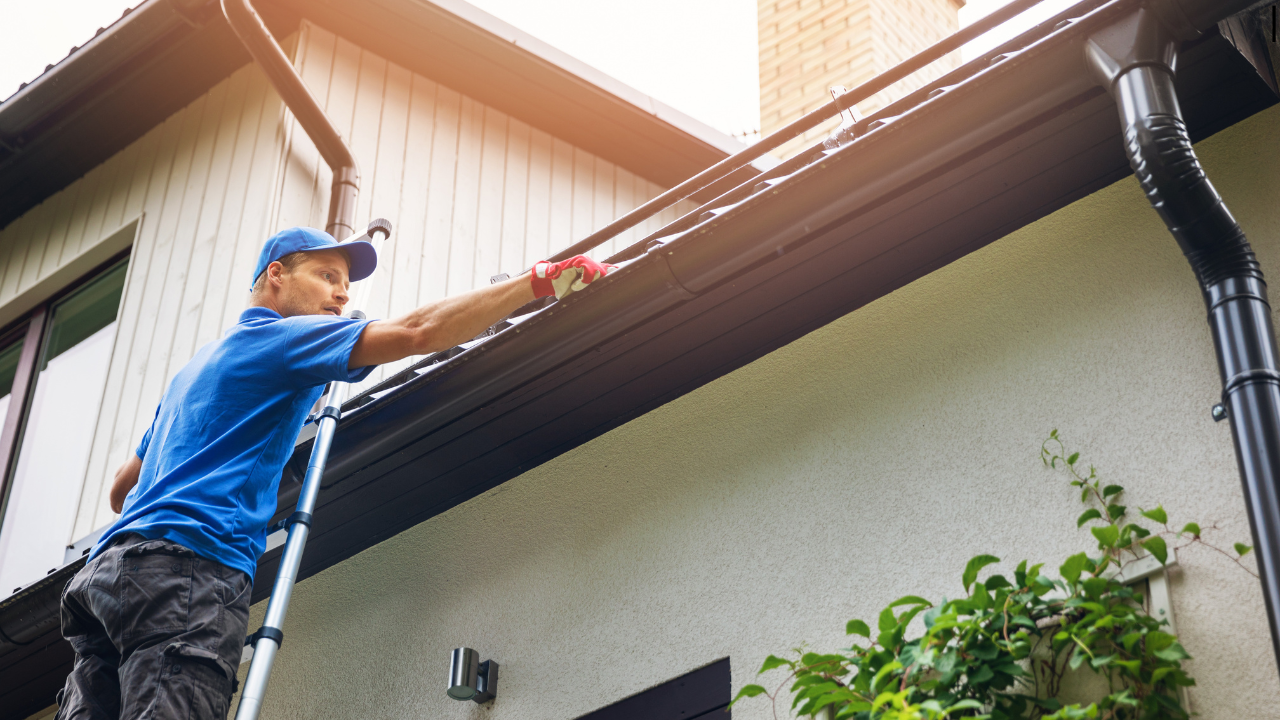
Q: How does gutter and roof maintenance help save money?
A: Clogged gutters and damaged roofs can lead to water damage, mold, and structural issues. Regularly:
- Clean gutters and downspouts
- Inspect the roof for missing shingles or damage
- Ensure proper water drainage
These simple steps help protect the entire structure of the property.
Q: Can preventative maintenance improve tenant retention?
A: Yes. Tenants are more likely to stay in a property that is well-maintained and quickly serviced. Addressing issues promptly and keeping the property in good condition creates a better living experience.
Happy tenants often lead to longer leases and fewer vacancies.
Q: Should landlords create a maintenance schedule?
A: Absolutely. A maintenance schedule helps ensure that important tasks are not overlooked. It can include:
- Seasonal inspections
- Routine servicing of systems
- Regular safety checks
- Planned upgrades or replacements
Having a clear plan keeps maintenance organized and consistent.
Q: What role do tenants play in preventative maintenance?
A: Tenants can help by:
- Reporting issues early
- Following proper use of appliances
- Keeping the property clean
- Notifying landlords of unusual changes (leaks, noises, etc.)
Encouraging open communication can make maintenance more effective.
Final Thoughts
Preventative maintenance is one of the smartest strategies landlords can use to protect their investment. By staying proactive and addressing small issues early, landlords can avoid costly repairs, extend the life of their property, and create a better experience for tenants.
A little maintenance today can lead to significant savings tomorrow.